Solo Camping Survival Tips: Emergency Preparedness
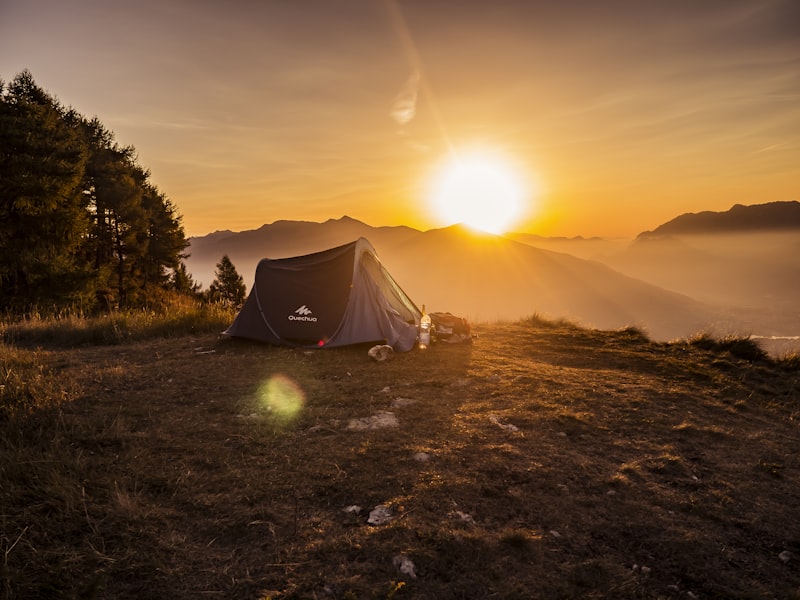
Image source: Unsplash (Free to use)
Solo Camping Survival Tips: Emergency Preparedness
You never forget your first real scare in the backcountry. For me, it wasn't a bear or a sudden storm. It was a simple misstep on a wet log, miles from any trailhead, that sent a sharp, sickening pain through my ankle. In that instant, the sunny afternoon hike transformed. The silence wasn't peaceful anymore; it was heavy and isolating. Every piece of gear in my pack was suddenly up for reassessment: What here can actually help me? That experience, more than any guidebook, taught me that survival isn't about dramatic heroics. It's about the quiet, pre-trip decisions and the calm application of practiced skills when things go sideways.
Emergency preparedness for the solo camper is a different philosophy. There's no splitting responsibilities, no delegating tasks. It's a profound exercise in self-honesty and meticulous planning. This guide isn't meant to scare you—it's meant to arm you with the mindset and the tools to turn a potential crisis into a managed situation, giving you the confidence to truly enjoy your solitude.
The Foundation: The Survival Mindset
Before packing a single item, you must pack the right attitude. Technical skills are useless without the mental framework to use them under stress.
- Embrace the "What If": Go beyond a basic itinerary. Mentally walk through your trip and identify specific risks: "What if I lose the trail in this meadow?" "What if my stove fails in the rain?" "What if I wake up with debilitating nausea?" This isn't pessimism; it's proactive scenario planning. It directly informs what you practice and what you pack.
- Know Your Limits (and Stick to Them): The greatest risk factor in the wilderness is often an overestimation of one's own abilities. Be ruthless in assessing your fitness, navigation skill, and first-aid knowledge. Choose trips that match your current competence, not your aspirational self. There's no shame in a modest trip that ends safely.
- The Golden Rule of Solo: Inform, Then Go: This cannot be overstated. Always leave a detailed trip plan with a reliable person. Include: map coordinates of your intended campsite, trailhead info, your vehicle description, and a hard deadline for when to alert authorities if they don't hear from you. This single act is your most powerful rescue tool.
Your Priorities: The "Rule of Threes" in Practice
Survival medicine uses a simple hierarchy: you can survive 3 minutes without air, 3 hours without shelter (in harsh conditions), 3 days without water, 3 weeks without food. For campers, this clarifies your emergency prep order.
1. Shelter & Warmth (The 3-Hour Priority) Hypothermia is a stealthy, year-round threat. Your emergency shelter kit must be independent of your main tent.
- Always Carry: A heavy-duty emergency bivvy sack (not just a space blanket) and an extra insulating layer (like a puffy jacket), sealed in a dry bag. Even in summer, a cold rain can sap your core temperature faster than you realize.
- Skill: Know how to quickly build a basic debris shelter or configure a tarp into a windproof cocoon with your paracord.
2. Water (The 3-Day Priority) Dehydration impairs judgment, accelerating other problems.
- Always Carry: More water than you think you need, and two independent means of purification. A mechanical filter is great, but have chemical backup (iodine/chlorine dioxide tablets) in case it fails or freezes. A large zip-top bag can serve as an emergency solar still or water catchment in a pinch.
3. Fire (Your Multi-Tool) Fire provides warmth, light, a way to purify water, a morale boost, and a potential signal.
- Always Carry: Multiple ignition sources in separate bags: a butane lighter, waterproof matches, and a ferrocerium rod as a foolproof backup. Pack abundant, storm-proof tinder like cotton balls soaked in petroleum jelly in a tiny container. Practice making a one-match fire in different conditions.
The Soloist's Emergency Kit: Beyond the Band-Aid
A standard first-aid kit is a starting point. You must customize it for the reality that you will be your own medic.
- Communications: For any remote solo trip, a Personal Locator Beacon (PLB) or satellite messenger is non-negotiable. It's your lifeline. A simple whistle (for signaling) and a signal mirror are lightweight backups.
- Navigation Redundancy: Your phone/GPS will fail. A detailed paper map (in a waterproof case) and a compass you know how to use are absolute essentials. Practice taking a bearing from your map before you need to.
- The "Fix-It" Kit: You are your own support team. Include: duct tape (wrap some around your trekking pole), strong cordage (50 feet of paracord), a multi-tool, a few safety pins, and a needle and thread. This kit can repair gear, fashion a splint, or improvise a shelter.
Critical Skills to Practice Before You Go
Gear is useless without knowledge. Prioritize practicing these:
- Situational Navigation: Know how to identify your location on a map at any time. Regularly "check in" with your map. If you feel lost, STOP (Stop, Think, Observe, Plan). Backtrack to your last known point.
- Wildlife Protocol: Research the specific wildlife for your area. Understand how to properly store food (always use a bear canister where required), and know how to react to an encounter. For bears, carry EPA-rated bear spray on your hip—not buried in your pack—and know how to use it. Most importantly, your behavior (clean camps, no food in tent) prevents 99% of issues.
- Basic First-Aid for Common Issues: Take a course. Focus on treating major bleeding, stabilizing sprains/breaks (a sleeping pad can be an excellent splint), and managing environmental illnesses like hypothermia, heatstroke, and severe dehydration.
The After-Action: If Something Does Go Wrong
Your response matters more than the incident itself.
- Stay Calm, Breathe, and Sit Down: Panic is your worst enemy. Force yourself to stop moving. Drink some water. Eat a snack. This simple act engages your rational brain.
- Apply the "STOP" Principle: It works.
- Conserve Energy and Signal: Once you have a plan, conserve your calories and focus on making yourself visible. Three of anything (blasts of a whistle, flashes of light, fires) is the universal distress signal.
Ultimately, survival preparedness is about building a layered safety net. It's the trip plan you left, the communication device in your pocket, the extra layer you packed, and the skill you practiced in your backyard. It transforms the unknown from a terrifying prospect into a managed variable. When you know you can handle the "what ifs," you're free to fully immerse yourself in the profound peace and beauty that solo camping promises. You carry your security with you, not just in your pack, but in your mind. And that is the ultimate freedom.