Solo Camping Gear Essentials: Must-Have Equipment
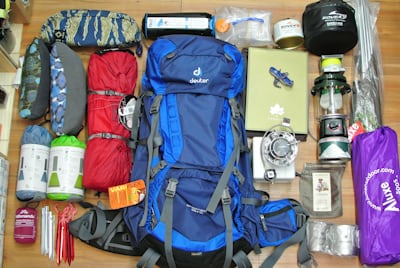
Image source: Unsplash (Free to use)
Solo Camping Gear Essentials: Must-Have Equipment
Let's be honest, the idea of solo camping can be equal parts thrilling and utterly terrifying. The freedom is intoxicating—you go where you want, when you want, answerable to no one's schedule but the sun's. But that same freedom means there's no one to share the load, literally or figuratively. Forget to pack the can opener, and you're that person trying to hack into a tin of beans with a rock. Your gear isn't just a list of items; it's your teammate, your safety net, and your ticket to a good time.
Over the years, through trips that ranged from serene to "what-was-I-thinking," I've moved beyond a basic checklist. The real essentials are the things that don't just keep you alive, but make you feel competent, comfortable, and genuinely happy to be out there alone. Here’s the breakdown of what you truly need.
The Absolute Non-Negotiables: Your Safety Net
This category is non-debatable. These items form the foundation of every safe solo trip.
- Shelter You Can Trust: Your tent is your home. For one person, a lightweight 2-person tent offers a luxurious balance of space and weight. Look for a freestanding design—it's infinitely easier to set up alone, especially if the ground is hard. A quality sleeping bag (mind the comfort rating, not the survival limit) and an insulated sleeping pad are what stand between you and a miserable, shivering night. Don't skimp here.
- Water, Water, and More Water: Hydration is everything. The rule of thumb is one gallon (3.8L) per person, per day. But as a solo camper, you need a backup for your backup. I carry a primary water bottle, a collapsible reservoir, and a water filter or purification tablets. I once had a filter fail on a desert hike; those backup tablets weren't just convenient, they were critical.
- The Navigation Trinity: Your phone will die. Your GPS might fail. What won't fail? A detailed paper map of the area and a compass that you actually know how to use. Before any trip, I spend an evening tracing my route on the map. This practice builds a mental picture and is the single most important safety skill you can cultivate.
- The "Get Me Out of Here" Kit: This is your emergency clutch. It includes a lighter and waterproof matches, a compact first-aid kit you've customized (add blister pads and any personal meds), a multi-tool, a headlamp with extra batteries, and a whistle. Keep this kit accessible, not buried at the bottom of your pack.
The Soloist's Comfort & Sanity Savers
These are the items that transform a Spartan survival trip into an enjoyable adventure. When you're alone, morale is everything.
- A Proper Camp Chair: Many seasoned backpackers will swear by this. After hiking all day, sitting on a damp log or the cold ground gets old fast. A lightweight, packable camp chair is worth its weight in gold for the sheer psychological boost it provides. It creates a "living room" outside your tent.
- A Good Light for the Long Nights: A headlamp is for tasks. For ambiance, a small, dimmable lantern is a game-changer. It softly lights up your tent or camp area, pushing back the vast darkness and making your space feel cozy and secure. It's the difference between feeling like you're in a cave and feeling like you're in a cozy nook.
- The Luxury Food Item: Pack one thing you genuinely love. For me, it's a small bar of good dark chocolate or a single-serving packet of fancy instant coffee. This small, deliberate pleasure can turn a routine dinner into a delightful event. As my friend Sarah, a solo hiking guide in Colorado, puts it: "Your taste buds don't know you're in the backcountry. A surprise treat can reset a tough day instantly."
- A Physical Book or Journal: Screen time feels out of place. A paperback book or a notebook is a perfect, low-tech companion. It helps wind down your mind and provides a quiet focus that feels in harmony with the surroundings.
The "Hidden" Essentials You Might Forget
These aren't always on the standard lists, but they solve the unique problems of camping alone.
- A Doorstop or Tent Light: When camping alone, you often need both hands to manage gear. A small rubber doorstop is perfect for holding your tent door open while you haul stuff in and out. A small, battery-operated tent light you can hang frees up your hands completely.
- Entertainment for Your Ears: Sometimes, the silence can be overwhelming, especially at night. Having a podcast or an audiobook downloaded for offline listening can be a comforting distraction if you're feeling anxious. Just use one earbud to stay aware of your surroundings.
- A Satellite Communicator: For any trip beyond reliable cell service, this moves from "nice-to-have" to "essential." Devices like a Garmin inReach or SPOT allow you to send check-in messages and have an SOS button. The peace of mind it provides is immeasurable and lets you relax fully into the experience.
- Duct Tape & Repair Gear: You are your own mechanic. Wrap a few feet of duct tape around your water bottle or trekking pole. It can patch a torn tent fly, fix a broken strap, or secure a splint in a pinch. Add a few safety pins and a needle with strong thread.
Ultimately, packing for solo camping is a deeply personal process. It's a balance between minimalism and preparedness, between safety and soul. The best gear list is one that reflects not just the environment you're entering, but also your own personality and comfort needs. It allows you to step into the wilderness with confidence, knowing you've provided for both your body and your spirit. That's when the real magic of being alone in the wild begins.