Solo Camping Safety Tips for Women: Empowering Outdoor Guide
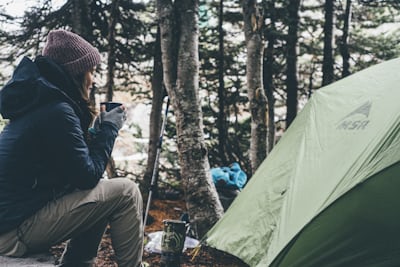
Image source: Unsplash (Free to use)
Solo Camping Safety Tips for Women: Empowering Outdoor Guide
Last summer, I took my first solo camping trip to a forest campground in Oregon. I’d spent weeks overthinking every “what if”: What if a stranger bothers me? What if I can’t start a fire alone? What if I get lost and no one finds me? By dusk, I was so nervous I kept checking my tent zipper every 5 minutes—until I sat by the fire, watched fireflies glow through the trees, and realized: I was safe, capable, and exactly where I wanted to be. That trip taught me something vital: Solo camping as a woman isn’t about “avoiding danger”—it’s about building confidence, trusting your instincts, and taking control of your outdoor experience.
If you’re a woman ready to embrace solo camping (whether it’s your first time or you’re looking to level up your safety game), this guide is for you. It’s packed with practical, real-world tips I’ve learned from years of solo trips—no fear-mongering, no “you need a man to help” nonsense, just actionable advice to keep you safe, grounded, and empowered. Because the outdoors doesn’t care about your gender—it’s yours to explore, on your terms.
1. Pre-Trip Prep: Confidence Starts with Planning
The best safety tool you can have is preparation. It eliminates guesswork, reduces anxiety, and lets you focus on enjoying your trip. Here’s what to prioritize:
Choose a Campground That Feels “Right” (Trust Your Gut)
Skip remote backcountry sites for your first solo trip—opt for established campgrounds with these safety features:
- On-site staff/host: Look for campgrounds with a ranger station or camp host (they’re a quick resource if you need help, and their presence deters unwanted behavior). I once had a stranger linger near my tent, and a quick chat with the camp host (who then did a loop around my site) made him leave immediately.
- Well-lit & visible sites: Pick a spot near the parking lot, restrooms, or a main trail—avoid hidden, isolated corners. Lighting matters at night: campgrounds with solar lights along paths mean you won’t fumble in the dark (and visibility discourages creeps).
- Female-friendly vibes: Check reviews (on apps like ReserveAmerica or The Dyrt) for phrases like “many solo women camp here” or “safe for beginners.” I avoid campgrounds with reviews mentioning “rowdy groups” or “uninvited interactions.”
Share Your Plan (And Check In)
Never head out without letting someone know your exact itinerary—this is non-negotiable, even for short trips:
- Share a detailed plan: Text a friend/family member your campground name, site number, arrival/departure dates, and a map of your intended hikes. Add a note like, “I’ll check in at 8 PM tonight and 9 AM tomorrow—text me if you don’t hear from me.”
- Use location-sharing tools: Apps like Life360 (for trusted contacts) or Garmin inReach (for backcountry trips, with SOS capabilities) let others track your location. I keep location sharing on with my sister the entire time—I never feel “watched,” just supported.
- Have a backup contact: Pick a second person to share your plan with, in case your first contact doesn’t see your messages.
Pack “Safety Gear” (Not Just “Camping Gear”)
Alongside your tent and sleeping bag, add these items to your pack—they’re designed to keep you in control:
- Personal safety tool: A small can of bear spray (doubles as self-defense—look for ones with a 30+ foot range) or a tactical pen (sharpened tip for emergencies, fits in your pocket). I keep bear spray clipped to my backpack strap, not buried in my pack.
- Whistle: A loud, high-pitched whistle (attach it to your tent zipper or keychain) is better than screaming—people can hear it farther, and it signals “distress” clearly.
- Portable door alarm: A small, battery-powered alarm that hooks to your tent zipper—if someone tries to open it, it emits a loud beep. I use one every night, and it’s given me peace of mind to sleep deeply.
- Female-specific essentials: Pack a compact first-aid kit with menstrual products (even if you’re not on your period—you never know), anti-chafing balm, and a small mirror (useful for checking for ticks or signaling for help).
Learn Basic Skills (Your Confidence = Your Safety)
You don’t need to be a survival expert, but mastering these simple skills will make you feel unstoppable:
- Pitch your tent alone (practice in your backyard first!): Fumbling with poles in the dark makes you feel vulnerable—knowing you can set up camp quickly builds confidence.
- Start a fire safely: Watch a few YouTube tutorials, practice with fire starters (waterproof ones are foolproof), and know how to put it out completely (douse with water, stir ashes, repeat until cool).
- Read a map/compass: Don’t rely on your phone—cell service dies in most campgrounds. Download offline maps (Gaia GPS is great) and practice finding your way before your trip.
2. At the Campground: Set Boundaries, Stay Aware
Once you arrive, your focus shifts to creating a safe space and trusting your instincts. Remember: You’re in charge of your experience—don’t hesitate to protect your peace.
Set Up Camp Like a Pro (Safety in Details)
- Pitch your tent in a visible spot: Avoid thick bushes or low-lying areas (not just for flood risk—they hide people too). Position your tent so the door faces the main trail or campground loop—you’ll see who’s coming, and passersby can see you.
- Keep your “kitchen” separate: Cook 100+ feet from your tent (food smells attract animals and curious strangers). Store food in a bear canister or hang it from a tree (10 feet high, 4 feet from the trunk)—never leave snacks in your tent.
- Lock your car (and hide valuables): Even if the campground feels safe, lock your car and put purses, phones, or gear out of sight. I leave a blanket over the backseat to cover my pack—out of sight, out of mind.
Trust Your Intuition (It’s Your Superpower)
Women are wired to notice small red flags—and you should never ignore them. If something feels “off” (a stranger lingering, a site that’s too isolated, a weird vibe), act immediately:
- Move sites: Ask the camp host if you can switch to a more visible spot—they’ll almost always say yes (they want you to feel safe too).
- Leave early: If the vibe is just wrong, pack up and go. I once left a campground at dusk because a group of men kept staring at my tent—no shame in prioritizing your comfort.
- Be direct with strangers: If someone tries to strike up a conversation that feels overly personal (asking where you’re from, if you’re alone, or offering “help” you didn’t ask for), use a firm, polite response: “I’m just here to relax, thanks!” or “I don’t need help, but I appreciate it.” Then walk away—you don’t owe anyone an explanation.
Nighttime Safety: Sleep Easy with These Hacks
Nighttime is when anxiety can creep in—but a few simple steps will help you sleep soundly:
- Keep safety tools within reach: Put your whistle, bear spray, and phone in a small bag next to your sleeping bag (not at the bottom of your pack). I keep mine in a pouch hanging from the tent ceiling—easy to grab if I need it.
- Use red light for visibility: Headlamps with a red light setting don’t attract bugs and won’t blind you (or others) when you’re moving around camp at night. Avoid bright lanterns—they make you a target for unwanted attention.
- Practice “tent checks”: Before bed, make sure your tent is zipped tight, the door alarm is on, and your bear spray is within reach. A quick 2-minute check gives you peace of mind to drift off.
3. Emergency Preparedness: Stay Calm, Stay in Control
Emergencies are rare—but knowing how to handle them will keep you calm if something goes wrong. Focus on these key scenarios:
What to Do If You’re Lost
- Stay put: Panic makes you wander farther—stop, take a deep breath, and assess your surroundings.
- Use your phone: If you have service, call 911 or the park ranger station. If not, use your satellite communicator (if you have one) to send an SOS.
- Signal for help: Use your whistle (3 short blasts = distress signal), wave a bright piece of clothing, or build a small fire (smoke is visible from far away).
How to Handle Wildlife Encounters
Most animals (deer, squirrels, even bears) want to avoid you—here’s how to stay safe:
- Make noise: Clap your hands, sing, or talk aloud while hiking—this alerts animals to your presence (they’ll likely run away).
- Never feed wildlife: Feeding animals makes them associate humans with food, which leads to dangerous interactions.
- If you see a bear: Stay calm, speak in a low voice, and slowly back away. Never run—this triggers their predatory instinct. Use bear spray only if the bear charges (aim for the face).
Medical Emergencies: Be Your Own First Responder
- Pack a female-focused first-aid kit: Include bandages, antiseptic wipes, pain relievers, tweezers (for ticks), menstrual products, and a small tube of antibiotic ointment.
- Know basic first aid: Take a 1-hour online first-aid course (Red Cross offers free ones) to learn how to treat cuts, burns, or insect bites.
- Carry a list of emergency contacts: Write down your doctor’s number, allergy info, and emergency contacts on a piece of paper (phones die—paper doesn’t).
4. Empowerment Mindset: You Belong in the Outdoors
Safety isn’t just about gear or plans—it’s about believing you deserve to be in the outdoors, and that you’re capable of handling whatever comes your way. Here’s how to cultivate that mindset:
Reject “You’re Too Brave” (It’s Just Preparation)
People will often say, “I could never camp alone as a woman—you’re so brave!” But bravery isn’t the point—preparation is. You’re not “risking it” by camping solo; you’re choosing to trust yourself. Own that choice: “I’m not brave—I’m prepared, and I love being outside.”
Celebrate Small Wins
Every time you pitch your tent alone, start a fire, or handle a minor mishap (like a leaky tent or a lost trail), celebrate it. Those small wins build confidence—soon, you’ll look back and realize you’re no longer a “beginner” at all.
Surround Yourself with Female Outdoor Community
Follow female outdoor creators (like @solo Women camping or @sheexplores) on social media—their stories will inspire you and remind you you’re not alone. Join local women’s hiking or camping groups (Meetup has great ones) to practice skills with other women—there’s nothing like bonding over a campfire with people who get it.
Final Thoughts: Your Outdoor Adventure Awaits
Solo camping as a woman is one of the most empowering things you can do. It’s a chance to disconnect from the noise, trust your instincts, and rediscover how capable you are. You don’t need to be “outdoorsy” or “tough”—you just need to be prepared, listen to your gut, and give yourself permission to enjoy the journey.
My first solo trip wasn’t perfect—I burned my oatmeal, got caught in a rainstorm, and spent 10 minutes panicking when I heard a rustle in the bushes (it was just a squirrel). But it was mine. I left that campground with dirt under my nails, a smile on my face, and a newfound belief: I belong here, and I can do hard things.
So grab your gear, share your plan, and hit the road. The outdoors is waiting for you—safe, beautiful, and entirely yours to explore. Trust me: The memories you make will be worth every moment of nerves. You’ve got this.