Solo Camping First Aid: Your Comprehensive Medical Safety Guide
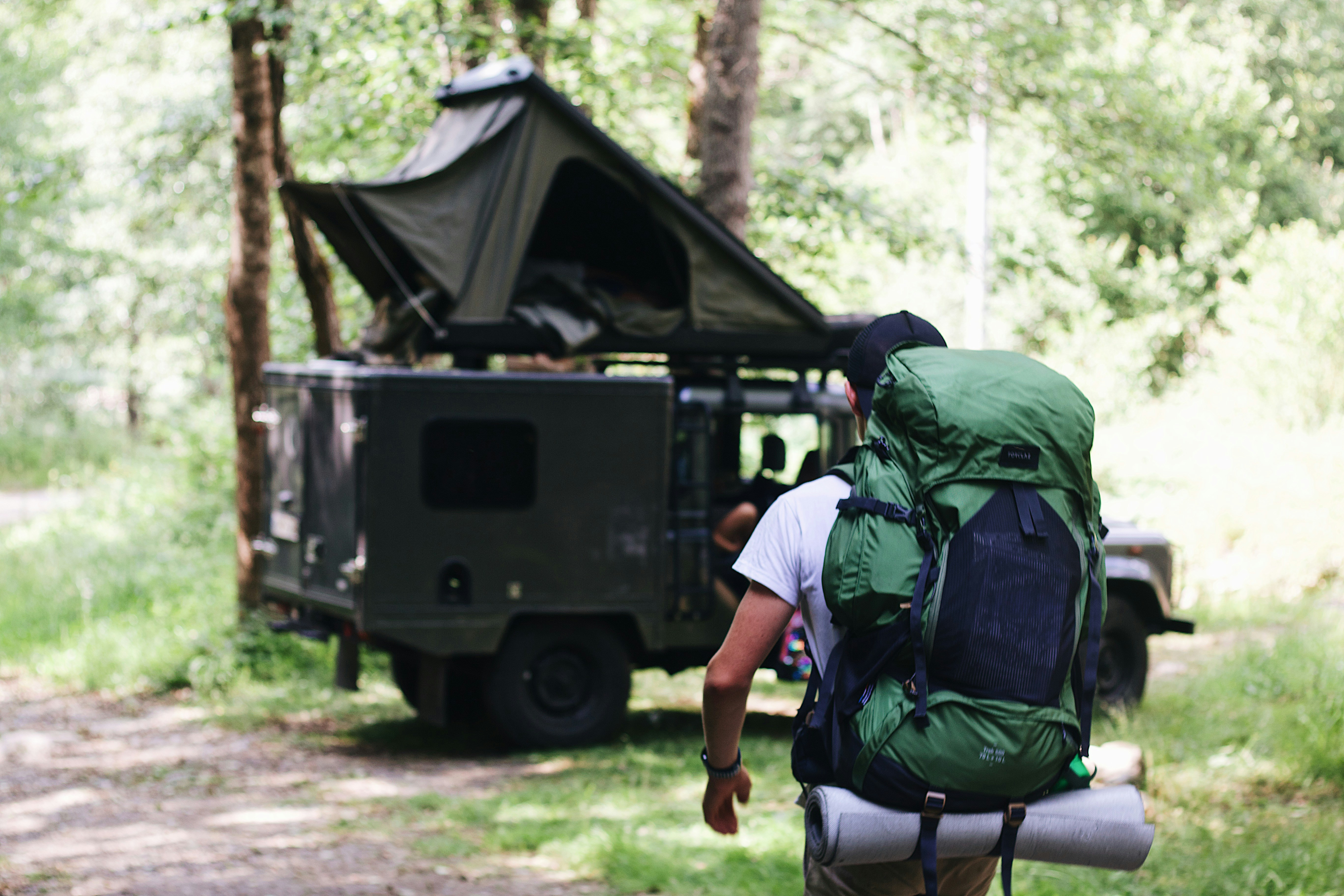
Image source: Unsplash (Free to use)
Solo Camping First Aid: Your Comprehensive Medical Safety Guide
When you’re solo camping, you are your own medic, your own navigator, and your own rescue team. A small scrape or a twisted ankle that would be a minor inconvenience in a group can become a serious situation when you’re alone. Understanding solo camping first aid isn't just about carrying a kit; it's about having the skills and the mindset to manage medical issues in isolation.
Building the "Solo-Specific" First Aid Kit
Standard store-bought kits are often filled with things you don’t need and missing things you do. For a soloist, your kit should be lightweight, waterproof, and tailored to your specific needs.
The Essentials:
- Wound Care: Various sizes of bandages, sterile gauze pads, medical tape, and antiseptic wipes.
- Blister Treatment: Moleskin or Leukotape. Blisters are the #1 trip-ruiner for solo campers.
- Medications: Ibuprofen (pain/inflammation), antihistamines (allergic reactions), and any personal prescriptions.
- Tools: Fine-tipped tweezers (for ticks/splinters), small scissors, and a digital thermometer.
- Emergency Gear: A SAM splint (lightweight and versatile), a triangular bandage, and a pair of nitrile gloves.
Managing Common Solo Injuries
1. The Twisted Ankle
This is the most common serious injury for solo hikers.
- The Protocol: Stop immediately. Remove your boot to check for swelling, but be careful—if it’s badly swollen, you might not get the boot back on. Use your SAM splint or a sleeping pad to stabilize the joint. Use your trekking poles as crutches to limp back to the trailhead or to a safe spot to signal for help.
2. Minor Cuts and Abrasions
In the wild, infection is your biggest enemy.
- The Protocol: Clean the wound thoroughly with treated water. Use antiseptic wipes. Apply a thin layer of antibiotic ointment and cover with a sterile bandage. Change the dressing daily and watch for signs of infection (redness, heat, pus).
3. Dehydration and Heat Illness
Solo campers often underestimate their water needs.
- The Protocol: If you feel dizzy, nauseous, or have a headache, stop in the shade. Drink water slowly with electrolytes. Don’t move until you feel stable. Prevention is key: monitor the color of your urine (it should be light yellow).
The Mental Side of First Aid: Staying Calm
The most important tool in your first aid kit is your brain. When an injury happens alone, panic is a natural response.
The "S.T.O.P." Rule for Medical Emergencies:
- S - Sit Down: Lowering your center of gravity prevents further injury and helps you calm down.
- T - Think: Assess the situation objectively. How serious is it? Can I walk out?
- O - Observe: Look at your surroundings. Is there shelter? Is there water?
- P - Plan: Decide on a course of action. If you need rescue, use your whistle (3 blasts) or your satellite messenger.
Training: The Ultimate Preparation
No kit can replace knowledge. Before your next solo trip, consider taking a Wilderness First Aid (WFA) course. These courses teach you how to manage emergencies in remote settings with limited resources. You'll learn how to improvise splints, manage major bleeding, and make critical evacuation decisions.
Solo camping first aid is about self-reliance. It’s about knowing that you have the tools and the skills to take care of yourself, no matter what the trail throws your way. It’s the ultimate safety net for the independent adventurer.