Solo Camping Alone for the First Time: Complete Guide
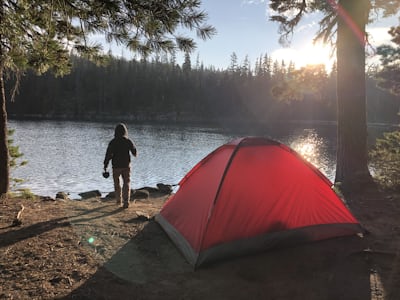
Image source: Unsplash (Free to use)
Solo Camping Alone for the First Time: Complete Guide
That first-night feeling is something else. You’ve pitched your tent, the stove is put away, and the last sliver of sun has vanished behind the ridgeline. Suddenly, the world feels vastly bigger and quieter than it did an hour ago. Every little crack in the fire, every rustle in the bushes, seems amplified. Your mind, so used to the constant noise of daily life, starts talking to itself. Was that just the wind? Did I hang my food bag high enough?
If this sounds familiar, or if the mere thought of it makes you a little nervous, you’re in exactly the right place. That flutter of anxiety isn’t a sign you shouldn’t go; it’s proof you’re taking it seriously. Solo camping for the first time isn’t about being the toughest person in the woods. It’s about careful preparation, smart choices, and turning that initial apprehension into deep, rewarding self-reliance. This guide is here to walk you through every step.
The Pre-Trip Mindset: Your Most Important Piece of Gear
Before you pack a single sock, let’s talk about your headspace. The right mindset is what separates a stressful ordeal from a brilliant adventure.
- Reframe the Nerves: Don’t fight the feeling of being on edge. It’s healthy. That low-level alertness is your ancestral brain kicking in, making you more observant and careful. Embrace it as a tool, not a drawback.
- Start Small, Start Familiar: Your inaugural solo trip is not the time to test your limits. Choose a location you know. A drive-up campground in a state park you’ve visited before is perfect. You’ll have other people within earshot (for comfort), likely have cell service, and be on managed land. This controlled environment lets you focus on the experience of being alone, not on surviving the unknown.
- The Golden Rule: The Trip Plan: This is non-negotiable. Email or text a detailed plan to at least two trusted people. Include: your exact campground name and site number, your vehicle description and plate, your itinerary (arrival/departure times), and a clear instruction: “If you don’t hear from me by [specific time on return day], please call [local ranger station number].” This piece of paper is your ultimate safety net.
Skill & Gear Check: Confidence in Your Pack
You don’t need to be a survival expert, but mastering a few things beforehand will make you feel like one.
- Practice at Home First:
- Set up your tent in your backyard or living room. Time yourself. Do it in the dark with your headlamp. There’s no confidence killer like fumbling with poles and rainflies as dusk falls.
- Light your stove and boil a pot of water. Understand how the fuel connects, how to simmer, and how to safely turn it off.
- Pack and unpack your backpack. Find a logical system so you’re not dumping everything out to find your lighter.
- The First-Timer’s Gear Shortlist: Beyond the classic checklist (tent, bag, pad, stove), focus on these morale-boosters:
- A Comfortable Camp Chair: Sitting on a log gets old. A lightweight chair creates a “living room” and is worth its weight.
- Two Light Sources: Your headlamp, plus a small, dimmable lantern for inside the tent. A warm, constant light pushes back the darkness and makes your tent feel like a cozy sanctuary, not just a shell.
- Familiar Comfort Food: Pack a meal you love, not just the most calorie-efficient freeze-dried option. A good chocolate bar or your favorite tea blend can be a game-changer for evening spirits.
- A Physical Distraction: A paperback book, a journal, a deck of cards—something screen-free to occupy your mind if the quiet becomes overwhelming.
Campcraft: Your First Afternoon & Evening
How you set up and manage your camp sets the tone for the entire experience.
- Arrive Early: Aim to get to your site with at least 3 hours of daylight left. Rushing breeds stress.
- Set Up a “Home Zone”: Pitch your tent. Then, immediately organize your kitchen area (at least 100 feet downwind from your tent, if in bear country) and your living area with your chair. Creating order in your space creates order in your mind.
- The Evening Ritual: As night falls, have a routine. Cook dinner. Clean up thoroughly. Stash all food and scented items in a bear locker or hung properly. Make a warm drink. This ritual signals to your brain that things are proceeding normally and safely.
- Listening to the Night: The sounds are the biggest hurdle for most. Instead of fearing every rustle, try to identify them. That steady crunch is probably a deer. The light skittering is a mouse or chipmunk. Most of the noise is just small, curious creatures going about their business. You’re in their living room, after all.
Navigating the Mental Waves
It’s normal for your emotions to ebb and flow. Here’s how to ride the waves:
- The 9 PM Doubts: Right after dusk, a wave of “what am I doing here?” often hits. This is almost universal. Don’t make any decisions to pack up and leave. Get into your tent, read your book, have a snack. This feeling almost always passes within the hour.
- Embrace the Boredom: You might feel oddly bored without distractions. This is the gift. Stare at the fire. Watch the stars. Let your thoughts wander without pulling out your phone. This is the mental space solo camping creates.
- You’re Allowed to Feel Proud: When you wake up that first morning, having made it through the night on your own terms, take a moment. Brew your coffee and feel the quiet satisfaction. You did it.
The Unspoken Rule: You Can Always Bail
Finally, give yourself permission to leave. If you truly feel unsafe, or miserable, or just not into it, there is no shame in packing up and driving home. The woods will be there another time. The goal is to build a positive relationship with solo travel, not to prove your grit through a night of white-knuckle anxiety.
That first solo trip is a conversation with yourself. It’s about learning that you are competent company. You’ll pack too much food, you’ll probably forget a spoon, and you’ll jump at a noise. And then you’ll hear the wind in the pines, see a sky full of stars unobscured by city lights, and feel a unique peace that only comes from knowing you provided this for yourself. That’s the moment you get it. And you’ll want to do it all over again.