Solo Camping & Leave No Trace: An Eco-Friendly Guide
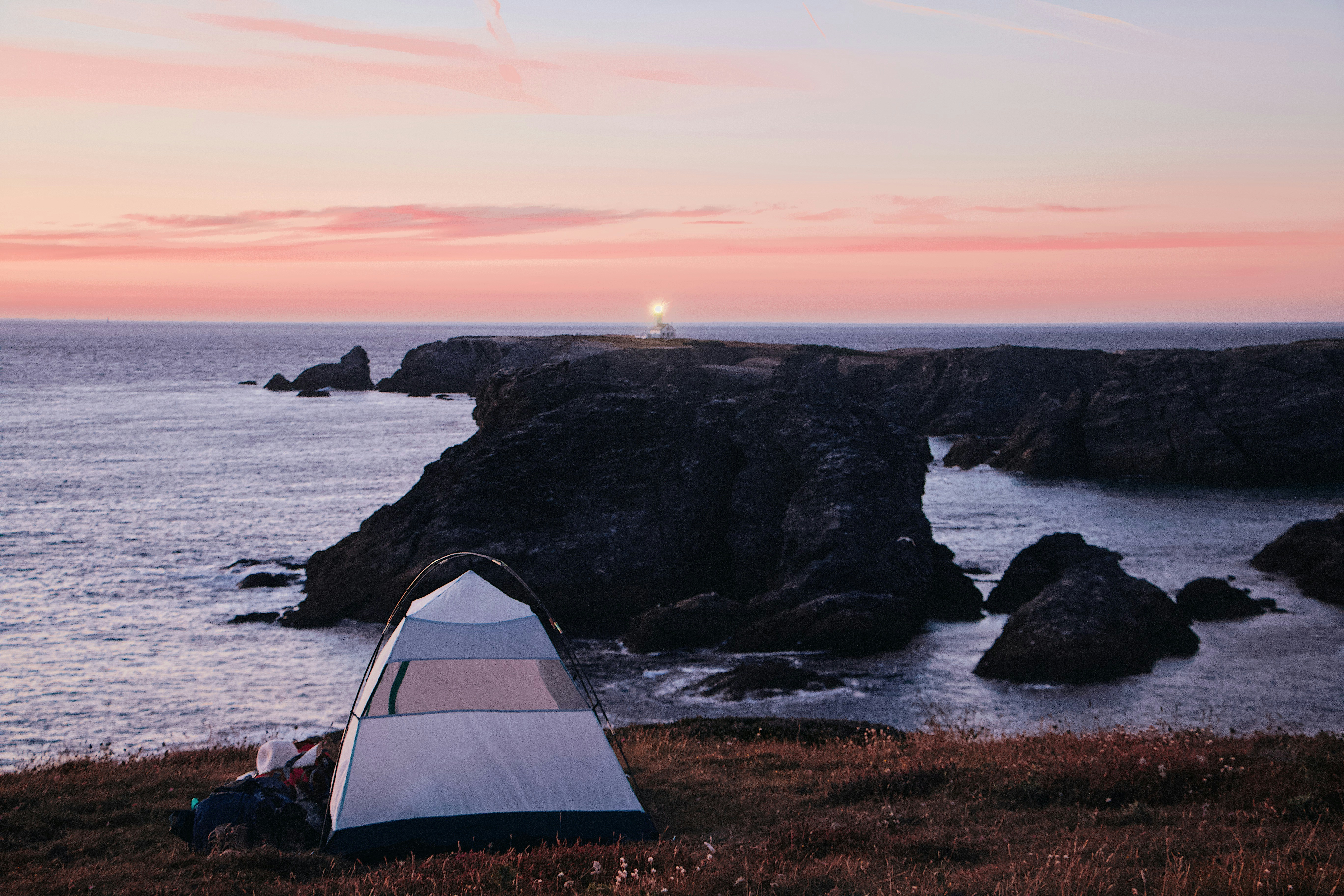
Image source: Unsplash (Free to use)
Solo Camping & Leave No Trace: An Eco-Friendly Guide
As solo campers, we seek the wilderness for its untouched beauty and profound silence. But our presence, however quiet, leaves an impact. The philosophy of "Leave No Trace" (LNT) is a set of seven principles designed to minimize our footprint and ensure that the wild remains wild for generations to come. For the solo adventurer, LNT is more than just a set of rules—it’s a commitment to the land that provides us with so much.
1. Plan Ahead and Prepare
Solo LNT starts at home.
- Research: Know the regulations for your destination. Are fires allowed? Are bear canisters required?
- Repackage Food: Remove unnecessary packaging to minimize the trash you have to carry out.
- Prepare for Weather: Proper gear prevents you from having to create "emergency" impacts (like cutting branches for shelter).
2. Travel and Camp on Durable Surfaces
When you’re alone, it’s tempting to find that "perfect" untouched spot.
- Use Established Sites: In popular areas, stay on designated trails and use existing campsites.
- Durable Surfaces: If you are in a remote "pristine" area, camp on rock, gravel, or dry grass. Avoid fragile alpine meadows or riparian zones (near water).
- Disperse Your Impact: When solo in the backcountry, don't create new trails. Move your tent every night to avoid crushing vegetation.
3. Dispose of Waste Properly
"Pack it in, pack it out" is the mantra.
- Trash: Every tiny piece of plastic or food scrap must go back in your pack.
- Human Waste: Use established pit toilets if available. If not, dig a "cat-hole" at least 6-8 inches deep and 200 feet from water, trails, and camp.
- Washing: Use biodegradable soap and keep it at least 200 feet from water sources. Even "eco-friendly" soap can harm aquatic life.
4. Leave What You Find
Leave the rocks, plants, and artifacts as you found them.
- Don't Build Structures: No "survival" shelters or rock cairns.
- Avoid Introducing Species: Clean your boots and gear before your trip to prevent the spread of invasive seeds or pathogens.
5. Minimize Campfire Impacts
For many, a solo trip isn't complete without a fire. But fires can cause lasting damage.
- Use a Stove: For cooking, a small camp stove is much more efficient and has zero impact.
- Use Existing Rings: If you must have a fire, use an established fire ring. Keep it small and burn only dead and downed wood that is smaller than your wrist.
- Ash Management: Burn wood to ash and ensure the fire is completely out before leaving.
6. Respect Wildlife
You are a guest in their home.
- Keep Your Distance: Use binoculars or a zoom lens to observe animals. Never feed them—it habituates them to humans and often leads to their death.
- Store Food Securely: Proper food storage (bear canisters or hang bags) prevents wildlife from becoming "problem animals."
7. Be Considerate of Other Visitors
Even if you don't see anyone, your actions affect their experience.
- Manage Noise: Keep music low or use headphones. Respect the silence that others have come to find.
- Yield to Others: On the trail, uphill hikers generally have the right of way.
- Choose Neutral Colors: Brightly colored gear (like neon tents) can be seen from miles away, impacting the "wilderness feel" for others.
By following these principles, solo campers become stewards of the land. We prove that we can enjoy the wilderness without destroying it. We leave only footprints, take only photos, and keep the magic of the wild alive.