Solo Camping for Two: Strengthening Your Bond in the Wild
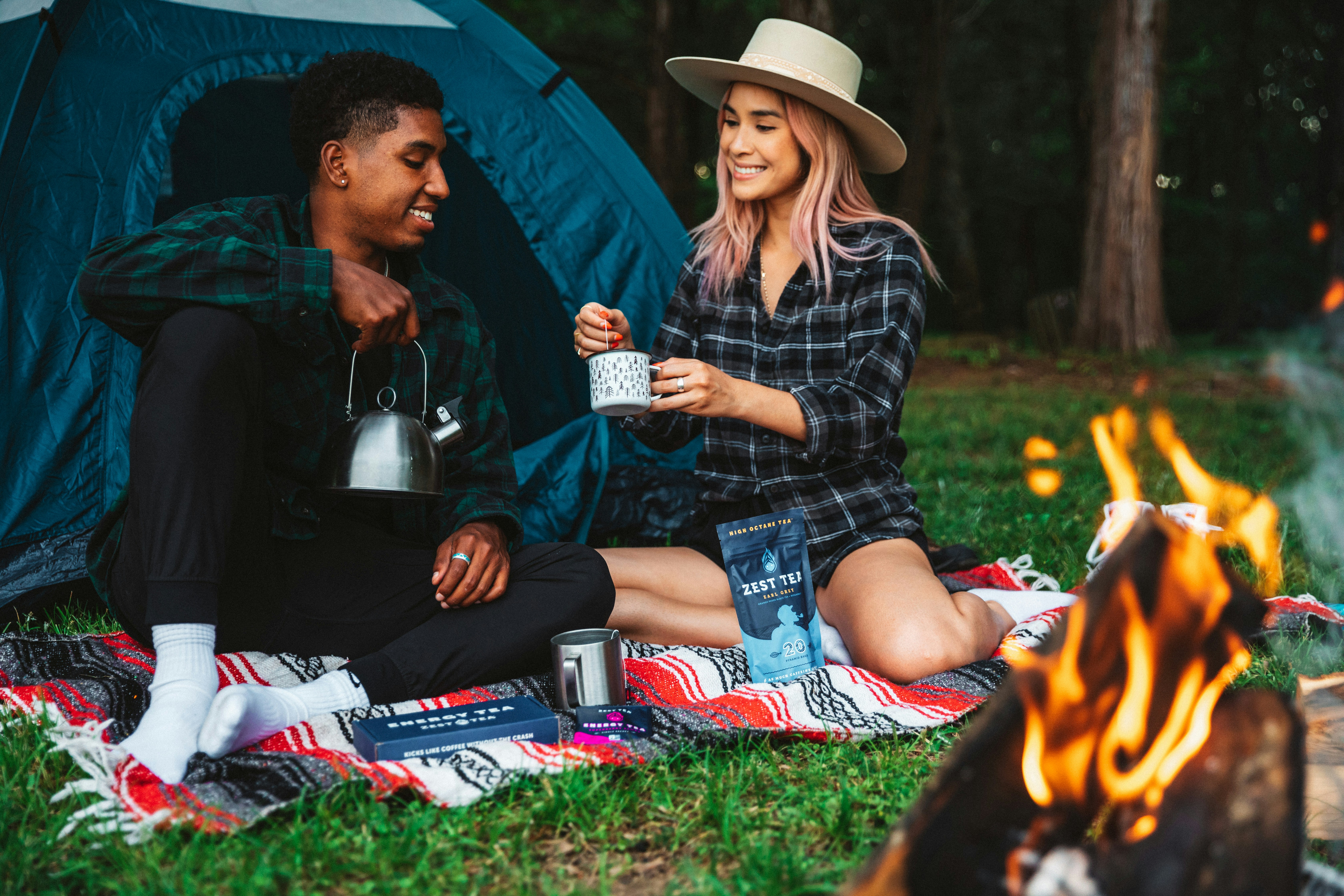
Image source: Unsplash (Free to use)
Solo Camping for Two: Strengthening Your Bond in the Wild
In our hyper-connected world, true quality time is becoming a rare luxury. We share screens, schedules, and stress, but how often do we truly share a moment of pure, uninterrupted presence? This is where solo camping for two becomes more than just an outdoor activity—it becomes a powerful catalyst for relationship growth. When you strip away the noise of the city and the safety net of guided groups, you're left with something raw, beautiful, and profoundly connecting.
The Magic of Shared Vulnerability
The term "solo camping for two" might seem like a contradiction, but it perfectly describes the spirit of independent duo camping. You are out there on your own, responsible for your own shelter, food, and safety. This shared responsibility creates a unique form of vulnerability.
When a sudden rainstorm tests your tent-pitching skills or a wrong turn on the trail leads to an extra three miles of hiking, you aren't just facing a challenge; you're facing it together. I remember a trip to the Smokies where our stove failed on the first night. Instead of frustration, we found ourselves laughing as we tried to improvise a cold dinner by starlight. That shared struggle, and the teamwork required to solve it, built a level of trust that no fancy dinner date ever could.
Communication Without Distraction
In the wild, communication isn't just about what you say; it's about how you listen. Without the distraction of notifications or the hum of a television, you start to notice the subtleties. You hear the change in your partner's breathing on a steep climb. You notice the way their eyes light up at a particular view.
Pro-tip for Duo Campers: Use the quiet hours by the campfire to have "no-agenda" conversations. Ask questions you haven't asked in years. Share dreams that usually get buried under the weight of daily chores. The campfire acts as a natural truth serum, fostering a depth of connection that is hard to find elsewhere.
Navigating Conflict in the Backcountry
Let's be real: camping isn't always sunshine and rainbows. You will get tired. You might get hangry. You will definitely get dirty. Conflict is inevitable, but in the backcountry, you don't have the option to walk into another room. You have to resolve it.
This forced resolution is a masterclass in healthy relationship dynamics. You learn to prioritize the "we" over the "me." You learn that a quick apology and a shared snack are often more effective than a long-winded argument. We've found that setting "trail rules" before we leave—like a mandatory 10-minute break if either person feels overwhelmed—prevents most conflicts before they even start.
Creating a Shared Narrative
Every camping trip is a story you write together. It's the "remember when the raccoon stole our bread?" or "remember that sunrise over the ridge?" These stories become part of your shared history, a private mythology that belongs only to the two of you.
These memories act as emotional anchors. On a stressful Tuesday back in the real world, you can close your eyes and remember the smell of the pine forest and the weight of your partner's hand in yours. You aren't just building a campfire; you're building a foundation of shared experiences that will sustain you long after the gear is packed away.
Tips for Your First Bonding Trip
- Start Small: Don't choose a grueling 20-mile trek for your first bonding trip. Choose a scenic, manageable spot that allows for plenty of downtime.
- Divide and Conquer: Assign roles based on strengths. If one person loves cooking and the other is a pro at fire-starting, lean into that. It fosters a sense of mutual appreciation.
- Practice Presence: Make a pact to keep phones off (except for emergencies). The world can wait; your partner is right here.
- Embrace the Silence: You don't always have to be talking. Some of the most profound bonding happens in the quiet moments of shared observation.
Solo camping for two is an investment in your relationship. It's a chance to see your partner—and yourself—in a new light. It's about finding the extraordinary in the ordinary, and the connection in the quiet. So, pack your bags, leave the world behind, and discover the depth of bond that only the wild can provide.