Solo Camping for Two Meal Ideas: Delicious Camp Recipes
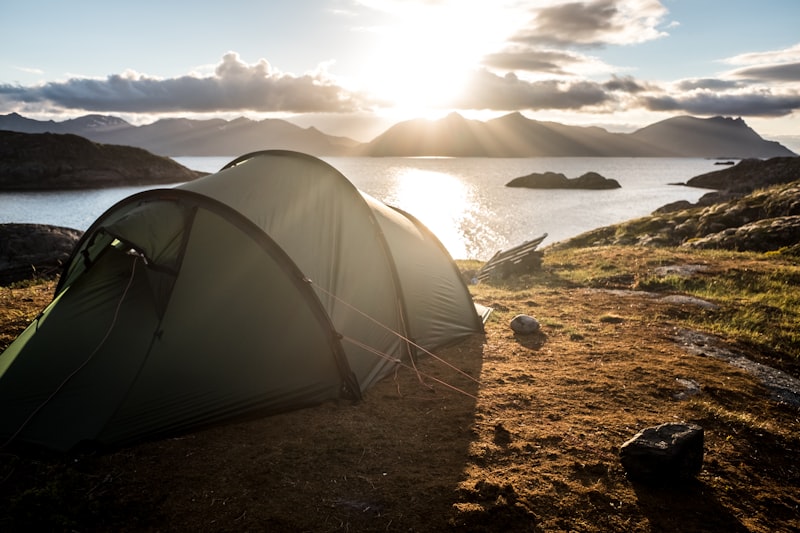
Image source: Unsplash (Free to use)
Solo Camping for Two Meal Ideas: Delicious Camp Recipes
There’s a particular alchemy that happens when you’re cooking a meal miles from the nearest paved road. The air smells different, hunger feels more honest, and even the simplest flavors seem to intensify. I remember one evening in the Colorado Rockies, watching the alpenglow fade from the peaks while a single pot of beans and sausage simmered over our tiny stove. It wasn’t a complicated dish, but after a long day of hiking, sharing that steaming bowl under a blanket of emerging stars felt like a feast. For two people on a solo camping trip, food isn’t just fuel—it’s the heart of the experience, a ritual of collaboration and comfort. The real trick isn’t replicating a gourmet kitchen; it’s mastering the art of making the simple, spectacular.
The Philosophy: Strategy Over Complexity
Before we talk about recipes, let’s talk about mindset. Camp cooking for two succeeds or fails in the planning stage, not at the campfire. The goal is to maximize flavor and satisfaction while minimizing weight, waste, and cleanup. This means embracing a few core principles.
First, think in terms of “building blocks.” Instead of planning entirely unique meals for each day, design components that can be repurposed. A batch of pre-cooked quinoa or couscous can be a side for dinner one night, a breakfast base with nuts and honey the next morning, and a lunch salad with leftover veggies. This approach saves precious cooler space and mental energy.
Second, the one-pot (or one-skillet) rule is your best friend. Fewer dishes to wash in the wild is not just a convenience; it’s a sanity saver. Almost every great camp meal can be crafted in a single vessel. And finally, preparation is everything. Do the tedious work at home: chop onions, pre-mix dry spices in small bags, pre-cook proteins like ground turkey or bacon. At camp, you should be assembling and heating, not performing delicate culinary surgery on a wobbly picnic table.
Breakfast: Starting the Day on a High Note
Mornings in camp can be crisp, and a solid breakfast sets the tone for the day’s adventures. You want something warm, energizing, and quick to make.
The Hearty Skillet Hash is a classic for a reason. It’s endlessly adaptable and cooks in one pan. Start by sautéing a diced potato (par-boil it at home to cut cooking time in half) and an onion in a bit of oil. Once they’re getting golden, add in a chopped bell pepper and a handful of pre-cooked sausage crumbles or diced ham. Push everything to the side, crack a couple of eggs into the cleared space, and cover the skillet until the eggs are cooked to your liking. Sprinkle with cheese if you’re feeling indulgent. The whole affair is messy, hearty, and deeply satisfying.
For mornings when you want to hit the trail fast, “No-Cook” Overnight Oats are a secret weapon. Before you leave home, combine rolled oats, a pinch of salt, chia seeds, and a spoonful of powdered milk in a reusable jar or sturdy zip-top bag. At camp the night before, simply add cold water (or water from your bottle), give it a shake, and let it sit. By morning, you have a creamy, ready-to-eat breakfast. Top it with a handful of trail mix, dried fruit, or a swirl of peanut butter.
Lunch & Trail Snacks: Energy on the Go
Lunch during a hiking day is often about mobility and quick energy. It’s less of a formal meal and more of a purposeful refueling stop with a view.
The “Hiker Trash” Wrap is a staple for good reason. Start with a large, durable tortilla. Spread a layer of hummus (individual packets are perfect for camping) or avocado. Then, pile on whatever fillings you have: a few leaves of spinach, some shredded cheese, sliced cucumber, and leftover chicken or tuna from a foil packet. Roll it tightly, wrap it in parchment paper, and stuff it in your pack. It’s compact, nutritious, and won’t get soggy.
For snacks, think beyond expensive energy bars. A homemade Savory GORP (Good Old Raisins and Peanuts) can be a game-changer. Mix almonds, pretzel pieces, pepitas, a few chocolate chips, and some wasabi peas or broken bits of beef jerky. The sweet, salty, and spicy combo keeps your taste buds interested and provides sustained energy. Don’t forget the humble fruit—an apple or orange is nature’s perfect packable snack.
Dinner: The Main Event Under the Stars
Dinner is the reward, the time to relax, recount the day’s stories, and cook something that feels like a genuine meal.
Foil Packet Wonders are the ultimate in easy and customizable cooking. Tear off a large sheet of heavy-duty aluminum foil. In the center, place a serving of protein—a salmon fillet, a chicken thigh, or a block of firm tofu. Surround it with hardy vegetables: sliced zucchini, bell peppers, onions, and cherry tomatoes. Drizzle with olive oil, and season generously with a pre-mixed bag of your favorite herbs (lemon pepper, Italian seasoning, or Cajun spice work brilliantly). Fold the foil into a tight, sealed packet. Place it directly on the coals of your campfire or on a grill grate for 15-20 minutes. The result is a steaming, tender, flavor-infused meal with literally zero cleanup.
For a car-camping classic, you can’t beat a One-Pot Creamy Pasta. Boil water in your pot and cook a short pasta like penne or rotini. Drain most of the water, leaving just a bit in the bottom. Turn the heat to low and stir in a block of cream cheese until it melts into a silky sauce. Immediately add a pouch of shelf-stable cooked chicken or tuna and a handful of sun-dried tomatoes or frozen peas (they’ll thaw instantly). Finish with black pepper and Parmesan. It’s decadent, warm, and ready in the time it takes to boil pasta.
The Secret Ingredient: Context
In the end, the best camp recipe has a component you can’t buy in any store: the setting. That foil packet chicken tastes infinitely better when you’re eating it from a spork while watching the fireflies come out. The simple wrap is more satisfying when consumed on a rocky overlook after a tough climb.
The goal isn’t to impress with technique, but to nourish and enhance the shared experience. It’s about the collaboration—one person tending the stove while the other chops the last of the cheese. It’s about the simplicity that allows you to focus on each other and the world around you. So pack those spices, plan those meals, but remember that the true deliciousness comes from the quiet conversation, the vast sky, and the profound satisfaction of creating something wonderful, together, in the middle of nowhere.