Solo Camping for Two Packing Checklist: Never Forget
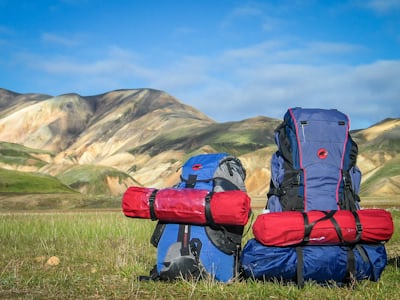
Image source: Unsplash (Free to use)
Solo Camping for Two Packing Checklist: Never Forget
Let’s be honest—the phrase “solo camping for two” sounds like a contradiction, doesn’t it? It conjures images of a lone wanderer, yet here you are, planning an adventure with your favorite person. I think that’s the beauty of it. It’s about capturing that self-reliant, intimate spirit of a solo trip, but sharing the quiet moments—the crackle of the fire, the startling clarity of the stars—with someone else. You’re a team of two, relying on each other and what you’ve packed, with no one else to borrow sugar or a lighter from.
The key to unlocking this experience is a meticulous, shared checklist. Forgetfulness isn’t just an inconvenience when you’re miles from the nearest store; it can shift the trip from magical to miserable. Based on guidelines from outdoor authorities and seasoned campers, here’s how to pack smart for a duo venturing out together.
Shelter & Sleep System: Your Mobile Home
This is your foundation. Skimp here, and nothing else matters.
- The Tent: For two people, a 3-person tent is the sweet spot. It provides crucial space for you, your partner, and your gear without becoming a monster to carry. Prioritize waterproofing and easy setup. A freestanding tent can be a lifesaver if you encounter rocky ground.
- Sleeping Bags & Pads: Comfort is non-negotiable. Choose sleeping bags with a temperature rating suitable for the coldest expected night. Remember, a good sleeping pad isn’t just for comfort; its R-value is what insulates you from the cold, hard ground. Consider pairing inflatable pads for comfort with closed-cell foam pads for extra insulation and reliability.
- The Extras: Always pack a ground cloth or footprint to protect your tent floor from moisture and abrasion. A compact camping pillow can feel like the ultimate luxury after a long day of hiking.
Kitchen & Hydration: Fuel for the Journey
A hot meal and a safe drink transform a campsite into a home.
- Water is Everything: This is the number one rule. Authorities recommend bringing at least one gallon (3.8 liters) of water per person, per day. For a weekend trip for two, that’s a minimum of 4 gallons. Always pack a water purifier or chemical treatment tablets as a backup for natural water sources.
- The Cooking Kit: Keep it simple and coordinated. A compact canister stove, a lightweight pot set with a lid, and a spatula are essentials. Don’t forget biodegradable soap for washing up, and always do it at least 200 feet from any water source.
- Food Strategy: Plan meals that share ingredients. Pre-portion and pre-mix spices at home. Pack high-energy trail food like granola bars, nuts, and dried fruit for daytime fuel. A bear-resistant canister is non-negotiable in many wilderness areas to store all food and scented items safely.
Safety & Navigation: Your Peace of Mind
This category isn’t about fear; it’s about confidence to fully enjoy the wilderness.
- The Unskippable Basics:
- First-Aid Kit: Go beyond band-aids. Include supplies for blisters, cuts, allergies, and personal medications.
- Navigation: Your phone will fail. Carry a detailed physical map of the area and a compass, and know how to use them together.
- Light: A headlamp (with extra batteries) is indispensable for hands-free cooking and nighttime trips to the “bathroom.” A compact lantern is great for ambient campsite light.
- Tools & Repairs: A multitool or pocket knife is invaluable. A small roll of duct tape can patch a torn tent, a sleeping pad, or even a shoe in a pinch.
- Communication Plan: Always tell someone responsible your detailed itinerary and return time. In areas with no cell service, consider a Personal Locator Beacon (PLB) or satellite messenger for emergencies.
Clothing & Personal: Preparing for “Whatever”
The weather will change. Your job is to be ready for it.
- The Layer System: This is gospel. Pack moisture-wicking base layers, insulating mid-layers (like fleece), and a waterproof and windproof outer shell. Always include a warm hat—you lose most of your body heat through your head.
- Footwear: Sturdy, broken-in hiking boots are essential. Also pack camp shoes (like lightweight sneakers or sandals) to let your feet breathe at the site.
- Personal Kit: Sun protection (sunscreen, hat, sunglasses) is crucial. So is insect repellent. Pack a small bag with toiletries, a quick-dry towel, and all necessary personal items.
The Final Touches & Packing Strategy
Packing it right is as important as packing the right thing.
- Leave No Trace Essentials: Pack several large, durable trash bags to carry out all your waste. A trowel is needed for digging proper catholes when necessary.
- Comfort & Morale: Two compact camp chairs make evenings infinitely better than sitting on logs. A deck of cards or a book is perfect for downtime.
- The Pack Itself: Use a master checklist and check items off as they go into the pack. Designate one shared bag for communal items (tent, kitchen) and let each person personalize their own clothing and personal bag. Finally, do a “shake-down” pack a few days before—you’ll always find something to optimize.
Ultimately, “solo camping for two” is an exercise in shared responsibility and rewarded trust. When your checklist is complete, what you’re really packing is freedom—the freedom to wander, to wonder, and to rely on each other in the quiet, vast beauty of the outdoors. Now get out there.