Solo Camping for Two Budget Guide: Save Money Outdoors
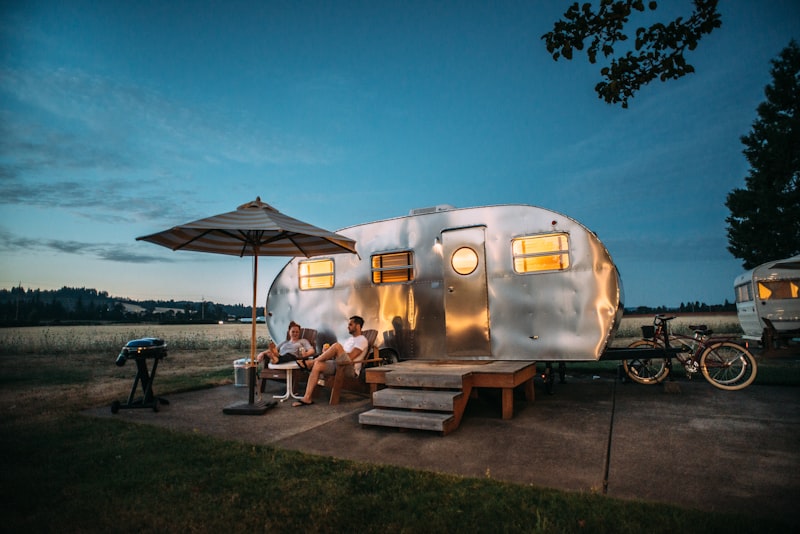
Image source: Unsplash (Free to use)
Solo Camping for Two Budget Guide: Save Money Outdoors
There’s a quiet moment in every camping trip, just after the last tent stake is hammered in and before the first kettle whistles, when the weight of modern life truly lifts. For two people sharing that solitude, the experience is doubly rich. But let’s be honest—before you get to that tranquil peak, you often have to climb a mountain of gear lists and online shopping carts, watching the total cost inch higher with every “essential” item. I remember a friend showing me his first camping receipt, his face a mix of pride and panic. “I think I just bought a second-hand sofa’s worth of nylon and aluminum,” he said. The fear that a genuine outdoor escape requires a small fortune is common, but it’s also largely a myth. The truth is, the most memorable campsites are often built not on the fanciest gear, but on smart choices, a dash of creativity, and the understanding that the wilderness doesn’t charge admission.
The Gear Mindset: Borrow, Befriend, and Buy Smart
Let’s start with the elephant in the room: equipment. The glossy ads sell you a lifestyle, but you don’t need to buy the whole catalogue for a single weekend.
Your first and best resource isn’t a store—it’s your social circle. Before spending a dime, ask around. That cousin who went through a “survivalist phase” likely has a spare tent gathering dust. A coworker might be happy to lend you a camp stove they haven’t used since the pandemic. Gear rental is another brilliant, often overlooked option, perfect for that first trial run to see if you even like sleeping on the ground. It turns a large capital investment into a small operational cost.
When you do buy, think in terms of value, not just price. For your big three—shelter, sleep system, and pack—investing in durable, versatile core items will save you money in the long run. A decent three-season tent that keeps you dry for five years is cheaper per use than a flimsy “bargain” that fails in its first storm. For sleeping bags, a mid-range synthetic fill bag (in the $50-$100 range) often offers the best balance of warmth, weight, and cost for most casual campers, especially if you camp in multiple seasons. Remember, the goal is comfort, not luxury; a good night’s sleep is non-negotiable, but it doesn’t require a $1000 down bag.
For everything else, embrace the “good enough” principle. A sturdy cast iron skillet from a thrift store can outlive and outperform many fancy “camping” pans. A large, clean mayonnaise jar makes a perfect, free waterproof container for dry goods. I know a couple who uses an old fleece blanket shoved into a stuff sack as a pillow—it’s cozy, adjustable, and cost nothing. The internet is full of these clever hacks. The point is to decouple the idea of “camping” from “buying new stuff.”
The Culinary Compromise: Feast Without the Fuss (or Cost)
Food is where camping budgets and spirits can either soar or sink. You don’t need to be a backcountry gourmet to eat well, and you certainly don’t need to buy overpriced, specialty “camping food.”
The most effective strategy is hybrid meal planning. For one-pot wonders like stews, chili, or pasta sauces, cook a double batch at home, freeze it flat in ziplock bags, and simply reheat it at the campsite. It saves on fuel, time, and complex cleanup. Supplement these hearty bases with fresh, durable items that require no refrigeration: apples, oranges, carrots, nuts, and crusty bread.
Don’t underestimate the power of high-quality instant foods. A packet of good ramen, jazzed up with a soft-boiled egg and some scallions, is a five-star meal under the stars. In fact, the market for convenient “camping meal kits” has exploded, offering everything from Taiwanese three-cup chicken to hearty curries that simply need heating. While some are pricier, they eliminate all food waste, reduce the need for a cooler, and free up hours of your day—time that, for two people, is better spent exploring a trail or just talking by the fire.
Speaking of coolers, if you’re going for a short trip, you can often forgo one entirely with clever planning. Start with frozen home-cooked meals as your ice packs, eat them first, and transition to shelf-stable foods. If you do need a cooler, a soft-sided insulated bag (often under $50) is sufficient for a weekend for two.
Location & Logistics: The Art of the Frugal Getaway
Your campsite is your venue, and choosing it wisely is a huge part of the budget equation. Developed campgrounds with flush toilets and hot showers are convenient, but you pay for those amenities with nightly fees that add up. The real savings—and often, the real adventure—lie in seeking out dispersed camping or low-cost public lands (like Bureau of Land Management areas in the U.S. or Crown Land in Canada), where the price is usually free or minimal. A little research on forestry service websites can unlock vast, quiet, and cost-free landscapes.
Transportation is another silent budget killer. The most eco-friendly and wallet-friendly choice is to camp close to home. A “weekend escape” shouldn’t feel like an expedition. Driving an hour to a beautiful lake or forest you’ve never visited scratches the same itch as a six-hour road trip, at a fraction of the fuel cost. It makes spontaneous trips possible and turns camping into a regular refreshment, not a logistical ordeal.
Finally, pack with precision. Make a list, check it twice, and then see what you can cross off. Every extra item is weight in the car and complexity in camp. A simple, streamlined kit is not only cheaper to assemble but makes setup and breakdown a breeze, leaving more time for the part you actually paid for: the great outdoors.
The Priceless Ingredient: Adjusted Expectations
Ultimately, the most powerful money-saving tool isn’t in your pack; it’s in your mindset. The curated, Instagram-perfect camping you see online is a fantasy—and an expensive one at that. Real camping has mud, bugs, and the occasional drizzle. It might involve sitting on a log instead of a $150 chair, or using a headlamp hung from the tent roof as your main light instead of a string of trendy fairy lights.
When you let go of the picture-perfect ideal, you discover something better: authenticity. There’s a profound satisfaction in a meal you cooked simply over a single burner, in the deep quiet of a non-commercial campsite, in the shared laugh when something doesn’t go according to plan. This shift in perspective—from consuming an experience to creating one—is what truly unlocks the freedom of the outdoors.
In the end, saving money on camping isn’t about deprivation. It’s about redirecting your resources—money, time, and energy—away from stuff and towards experience. It’s about proving that the gateway to wilderness isn’t a high-priced ticket, but a willingness to be resourceful, to simplify, and to focus on the unmatched luxury of shared solitude under an open sky. The view, after all, is free.