Solo Camping for Two in the Woods: Forest Adventure Guide
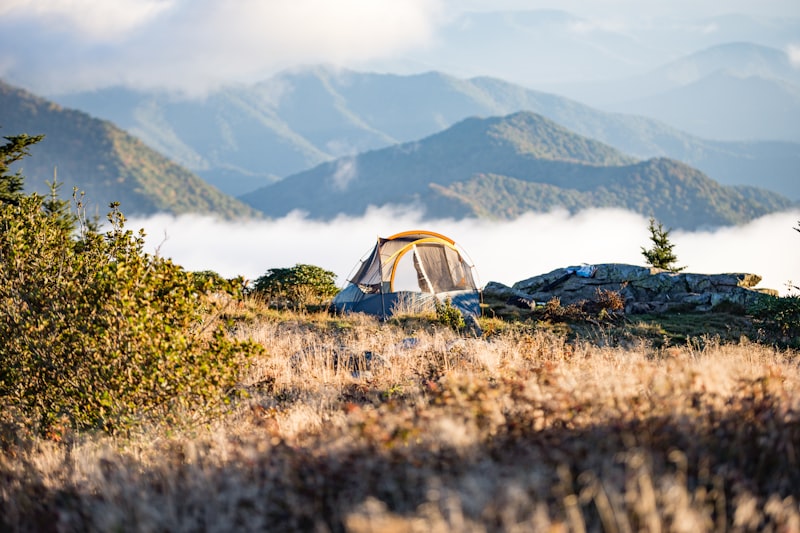
Image source: Unsplash (Free to use)
# Solo Camping for Two in the Woods: Forest Adventure Guide
Last fall, my best friend Lila and I loaded up her old Subaru and headed to Olympic National Forest for our first solo forest camping trip. We’d camped at established campgrounds before, but this was different—no restrooms, no paved parking lots, just a backcountry site we’d booked via Recreation.gov, marked only by a small wooden stake in the ground. We spent 20 minutes circling a cluster of pine trees before realizing we’d passed the marker 50 feet back, and by the time we pitched our tent, the sun was dipping below the treeline, painting the forest in warm amber light. That weekend, we got lost on a short hike, ate slightly burnt campfire chili, and fell asleep to the sound of owls hooting in the distance. It wasn’t perfect, but it was magic.
If you’re two adventurers ready to trade campground amenities for the quiet seclusion of the woods, this guide is for you. It’s packed with the lessons we learned firsthand—from how to pick the right forest site to how to stay safe while soaking in all the forest has to offer. No fancy jargon, just real-world tips for a memorable, low-stress forest adventure.
Pre-Trip Prep: Forest-Specific Planning That Saves Headaches
Camping in the woods isn’t the same as camping at a developed campground—you’re more exposed to nature’s quirks, so a little prep goes a long way. Focus on these key areas:
Pick the Right Forest Site (And Know the Rules)
For your first forest trip, stick to designated backcountry sites rather than random dispersed camping—they’re vetted for safety (no dead trees overhead, no flood risk) and often have established fire rings. Look for:
- Proximity to water: A nearby stream or lake means easy access to drinking water (but always filter it!), but avoid pitching your tent within 200 feet of water (it’s a Leave No Trace rule and protects wildlife habitats).
- Flat, clear ground: Skip sites with thick roots, rocks, or fallen branches—we learned this when Lila tripped over a half-buried root while carrying our cooler and spilled our soda (rip, our only luxury).
- Tree cover: A mix of pine and deciduous trees provides shade during the day and protection from light rain, but avoid sites directly under dead branches (called “widowmakers”—they can fall in wind).
Also, double-check the forest’s rules: Some areas ban campfires in dry seasons, others require bear canisters for food storage, and many backcountry sites have a maximum stay of 1–2 nights. We almost forgot to rent a bear canister from the ranger station, and would’ve been turned away from our site—save yourself the hassle and research rules ahead of time.
Gear for the Woods: Prioritize Function Over Flash
Forest camping calls for a few extra items you might not need at a developed campground. Split the load between you to keep packs light, and focus on these essentials:
- Bear canister or bear bag: Non-negotiable in most wooded areas. We used a bear canister (rented for $5/day) and stored all our food, toiletries, and even our toothpaste inside—bears have a keen sense of smell, and even minty toothpaste can attract them.
- Water filter or purification tablets: Stream water might look clean, but it can harbor bacteria. We used a Sawyer Mini Filter (small enough to fit in a pocket) and filtered 2 liters each morning for hiking and cooking.
- Insect repellent (the strong stuff): Forests are full of mosquitoes, ticks, and gnats. We brought DEET-based repellent and reapplied every 2 hours—Lila skipped it once and ended up with 12 mosquito bites on her arms.
- Navigation tools: Cell service is nonexistent in most woods. Download offline maps on Gaia GPS or bring a paper map and compass (and learn how to use them beforehand!). We relied on our phones once and ended up hiking a mile off-trail before we realized our mistake.
- Extra layers: Forests stay cool even in summer, and temperatures drop fast after sunset. Pack a lightweight puffer jacket each—we wore ours every evening while sitting by the fire.
Setting Up Camp in the Woods: Cozy, Safe, and Low-Impact
Once you’ve found your site, take your time setting up—rushing leads to mistakes (like pitching your tent on a root, or forgetting to stake it down before a gust of wind hits). Here’s our go-to process:
Clear and Prep Your Tent Spot
Start by raking away small rocks, sticks, and pine needles from the area where your tent will go. Use a small trowel to smooth out uneven ground—even a tiny root can make for a sleepless night. Lay down your tent footprint (cut to size so it doesn’t stick out beyond the tent) to protect the floor from moisture and sharp objects.
When pitching your tent, face the door away from the wind (if you can feel it) and leave a small gap between the tent and your kitchen area—this keeps cooking smells away from your sleeping space and reduces fire risk. We pitched our tent facing a stream, and woke up to the sound of water gurgling—pure bliss.
Set Up a “Kitchen” Zone (Away From Your Tent!)
Never cook or store food near your tent—this is how bears and other critters learn to associate tents with food. Pick a spot at least 100 feet from your tent, ideally downwind, and set up your stove on a flat rock or a small camping mat (to protect the forest floor). Use the established fire ring if there is one—never build a new fire in the woods unless it’s explicitly allowed.
We kept our bear canister 50 feet from our kitchen zone, locked and sealed tight, and never left food out unattended. One morning, we came back to our kitchen to find a squirrel trying to chew through our granola bar wrapper—good thing we’d stored most of our food in the canister!
Light Up Smart (Avoid Spooking Wildlife)
Skip bright flashlights or lanterns that shine into the trees—they can disorient wildlife and ruin the forest’s peaceful vibe. Use headlamps with a red light setting (red light doesn’t attract bugs or disturb animals) for moving around camp at night. We strung a small battery-powered fairy light around our kitchen area for soft ambiance, and it felt cozy without being overwhelming.
Forest Adventures for Two: Make the Most of Your Wooded Escape
The best part of forest camping is immersing yourself in nature with your favorite person. Skip the long, strenuous hikes if you’re new—focus on slow, intentional activities that let you connect with the woods and each other.
Take a “Sensory Hike”
Instead of hiking to a specific viewpoint, take a short, unstructured walk and focus on your senses. We spent an hour wandering a nearby trail, stopping to:
- Listen to the wind rustling through pine needles
- Smell the earthy scent of damp moss
- Touch the rough bark of an old Douglas fir
- Spot small wildlife: We saw a family of deer, a woodpecker tapping on a tree, and even a tiny salamander under a log.
Pro tip: Bring a small notebook and jot down what you notice, or take photos of little details (a mushroom, a pinecone) to remember the trip by.
Campfire Stories (And Simple Meals)
If campfires are allowed, spend your evenings sitting by the fire, cooking simple meals and telling stories. We made foil-pack dinners: potatoes, carrots, and sausage wrapped in aluminum foil, cooked over the fire for 20 minutes. They were messy, but tasted better than any restaurant meal. For dessert, we roasted marshmallows for s’mores—Lila burned hers to a crisp, but we laughed about it for weeks.
Keep your fire small and contained to the fire ring, and never leave it unattended. We doused ours with water before bed, then stirred the ashes to make sure no embers were left burning—safety first, always.
Nighttime Stargazing (If the Sky Is Clear)
Forests have minimal light pollution, so if the clouds stay away, you’ll get a front-row seat to the Milky Way. We laid out a blanket on the ground, away from the fire, and spent an hour pointing out constellations (we used the SkyView app to identify them). Lila had never seen the Milky Way before, and she sat there with her mouth open for 10 minutes—moments like that are what make forest camping special.
Safety in the Woods: Non-Negotiables for Two Adventurers
The woods are peaceful, but they demand respect. Keep these safety tips in mind to stay safe and avoid mishaps:
Know How to Handle Wildlife Encounters
Most forest animals will avoid you if given the chance, but it’s important to know what to do if you run into a larger creature like a bear or a coyote:
- Bears: Stay calm, speak in a low, steady voice to let it know you’re there, and slowly back away. Never run—this triggers their predatory instinct. If a bear charges, stand your ground and use bear spray if you have it. We never saw a bear, but we practiced our “bear talk” on the drive up (it felt silly at first, but we felt prepared).
- Ticks: Check each other for ticks every evening, especially around your ankles, waist, and hairline. Use tweezers to pull them out slowly, making sure to get the entire head. We found one tick on Lila’s shirt, and were glad we’d packed tweezers in our first-aid kit.
Be Prepared for Weather Changes
Forests are prone to sudden weather shifts—sunshine can turn to rain in 10 minutes. Keep your rain jacket and waterproof pants handy, and always pack a tarp (we used ours to cover our gear when a surprise shower hit). Avoid hiking in thunderstorms—if you hear thunder, head back to camp and stay in your tent or car (if you’re close to it).
Stick Together (No Solo Wandering)
It’s easy to get separated in the woods, even on short hikes. Always stay within sight or earshot of each other, and agree on a meeting spot if you do get split up. We made a rule that we’d never go more than 10 feet apart, and it kept us from getting lost again after our first mishap.
Wrapping Up: Leave No Trace and Carry Memories
When it’s time to pack up, follow the Leave No Trace principles to keep the forest beautiful for future campers:
- Pack out everything you packed in: This includes food scraps, toilet paper (pack it in a sealed bag!), and even small trash like candy wrappers. We brought a reusable trash bag and filled it to the brim—no litter left behind.
- Put out your fire completely: Douse it with water, stir the ashes, and repeat until the ground is cool to the touch.
- Don’t disturb wildlife or plants: We saw a patch of wild berries, but left them alone for the animals to eat.
- Leave your site better than you found it: Rake the tent spot smooth, and stack any loose sticks you cleared near the fire ring for the next campers.
As we drove away from Olympic National Forest, Lila turned to me and said, “That was way better than any hotel weekend.” She was right. We didn’t have Wi-Fi, hot showers, or fancy meals, but we had each other, the quiet of the woods, and memories we still talk about.
Forest camping for two isn’t about being an expert outdoorsman—it’s about stepping out of your comfort zone, slowing down, and connecting with nature and the person you’re with. So grab your gear, pick a forest, and hit the road. Trust me, the sound of wind in the trees, the warmth of a campfire, and the quiet joy of being together in the woods will stay with you long after you’re back home.