Solo Camping for Two Winter Guide: Cold Weather Tips
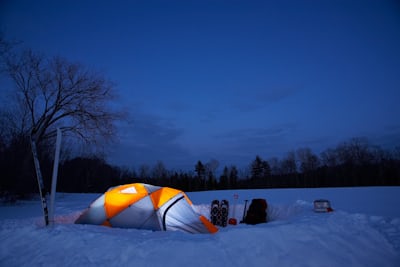
Image source: Unsplash (Free to use)
# Solo Camping for Two Winter Guide: Cold Weather Tips
Last January, my friend Mia and I packed our sleeping bags and headed to Yellowstone National Park for our first winter solo camping trip. We’d camped in mild weather before, but winter was a whole different beast—by sunset, the temperature had dropped to -12°C (10°F), our tent zipper froze shut halfway through setup, and Mia forgot her thermal hat, spending the first hour of the night huddled under extra layers like a burrito. By morning, our water bottles were solid blocks of ice, and our boots were caked in snow, but we sat by the campfire drinking scalding hot cocoa, watching steam rise from the geysers in the distance, and grinning from ear to ear. It was messy, cold, and entirely unforgettable.
If you’re two adventurers ready to trade cozy couches for the quiet magic of winter camping—no guides, no crowds, just you, your person, and snow-covered woods—this guide is for you. It’s full of the lessons we learned the hard way: no fancy jargon, no over-the-top gear recommendations, just simple, actionable tips to keep you warm, safe, and smiling through your first cold-weather trip.
Pre-Trip Prep: Winter-Specific Planning That Saves Headaches
Winter camping isn’t just regular camping with extra layers—it requires planning around the cold, snow, and shorter days. Nail these basics before you hit the road, and you’ll avoid most beginner pitfalls.
Choose the Right Winter Campsite (Start Small!)
Skip remote backcountry sites for your first winter trip. Opt for established campgrounds with plowed roads, restrooms (even if they’re pit toilets), and designated winter sites—they’re designed to withstand cold weather and feel less intimidating. Look for:
- Wind protection: Pick a site tucked behind trees, a hill, or a rock formation. Wind is the biggest enemy of warmth; we camped near a stand of pine trees, and the wind chill dropped by 10°C just by being sheltered.
- Southern exposure: Sites facing south get the most sunlight during the day, which melts snow and warms up your tent. We picked a south-facing spot, and our tent was 5°C warmer inside than the shaded sites nearby.
- Avoid low-lying areas: Cold air sinks, so valleys and depressions stay colder and are more likely to trap snow. We learned this when we walked past a low-lying site that was buried under 6 inches of snow, while our spot had only a light dusting.
Check the Weather (And Then Check Again)
Winter weather is unpredictable—sunshine can turn to a snowstorm in an hour. Use apps like AccuWeather or NOAA’s Winter Weather Forecast to track conditions, and pay attention to:
- Wind chill: The actual feel of the temperature is often colder than the recorded temperature. If the forecast says -5°C with a 15mph wind, the wind chill could be -15°C—pack for the wind chill, not just the air temp.
- Snowfall warnings: Avoid camping during predicted blizzards; even small snowfalls can block roads or bury your tent.
- Sunset time: Winter days are short—sunset can be as early as 4:30pm in some areas. Arrive at your site with at least 2 hours of daylight left to set up camp before the dark and cold hit.
Book Ahead (And Ask About Winter Amenities)
Most winter campgrounds have limited sites open, and they fill up fast—book at least 2–3 months in advance for weekends. When booking, ask:
- Are the roads plowed? You don’t want to get stuck in a snowbank with a 2WD car.
- Is potable water available? Many campgrounds shut off water in winter, so you’ll need to bring your own or melt snow.
- Are campfires allowed? Some areas ban fires in winter due to dry conditions, while others provide firewood for a small fee.
Gear for Two: Warmth Without the Weight
Winter gear doesn’t have to be heavy—focus on items that trap heat efficiently, and share bulky gear to lighten your load. Here’s what we actually used (and what we wish we’d left at home):
Shared Gear (Split the Weight!)
- 4-season tent: A 3-season tent won’t hold up to snow or wind. Look for a 4-season tent with reinforced poles and a waterproof rainfly—ours had a snow skirt that wrapped around the base, keeping snow out and heat in. We split the tent: one person carried the rainfly and poles, the other carried the tent body.
- Sleeping pads with high R-value: R-value measures insulation—aim for R-value 5 or higher for winter. We used self-inflating pads with R-value 6, and they kept us off the cold ground (no more waking up with frozen backs!).
- Portable camp stove with extra fuel: Cold weather burns through propane faster—bring 2 canisters instead of 1. We used a small 1-burner stove, and it heated water for cocoa and chili in 5 minutes flat.
- Snow shovel: A small collapsible shovel is non-negotiable. We used ours to clear snow from our tent site, build a windbreak, and melt snow for water.
Personal Gear (Bring Your Own!)
- 4-season sleeping bag: Pick a bag with a temperature rating 5–10°C lower than the expected low. We used bags rated for -15°C, and we were cozy even when the temperature dropped to -12°C. Avoid cotton sleeping bags—they stay wet and cold.
- Thermal layers: Follow the “3-layer rule”:
- Base layer: Moisture-wicking merino wool or synthetic fabric (no cotton!).
- Mid-layer: A fleece jacket or lightweight puffer to trap heat.
- Outer layer: Waterproof, windproof jacket and pants to block snow and wind.
- Winter boots: Waterproof, insulated boots with thick soles. Break them in before the trip—blisters are even worse in cold weather. We also brought warm socks (3 pairs each, wool is best) and slippers for around camp.
- Cold-weather accessories: Thermal hat, neck gaiter, waterproof gloves, and hand warmers. Mia forgot her hat and spent the first night shivering—we shared mine, and it was tight, but it worked. Pro tip: Stick hand warmers in your gloves and boots 10 minutes before putting them on for instant warmth.
Skip These “Luxuries” (Trust Us)
- Heavy winter coats: Your mid-layer and outer layer will keep you warm—bulky coats take up too much space in your pack.
- Extra clothes: We packed 4 shirts each and only wore 2—layers are more efficient than multiple bulky items.
- Portable electric heaters: They’re heavy, use too much battery, and are a fire hazard in tents. Stick to hand warmers and sleeping bags.
Setting Up Camp in the Cold: Keep the Heat In
Setting up camp in winter is slower—your fingers get cold fast, and snow makes everything slippery. Take your time, help each other, and follow these tips to keep your tent warm and dry:
Clear the Site Completely
Start by shoveling all snow off your tent spot—aim for bare ground if possible. Even a thin layer of snow will melt overnight and make your tent floor wet. We also shoveled a small path from our tent to the fire ring and parking lot to avoid slipping in the dark.
Build a Windbreak (It’s a Game-Changer)
Use your snow shovel to pile snow into a 2-foot-high wall around the windward side of your tent. This blocks wind and can raise the temperature inside your tent by 5–10°C. We built our windbreak in 15 minutes, and it made all the difference—our tent stayed cozy even when the wind picked up at night.
Pitch Your Tent Smart
- Use the snow skirt: Most 4-season tents have a snow skirt that attaches to the rainfly and wraps around the base of the tent. Tuck it under the snow to seal out wind and snow.
- Ventilate (Yes, Even in Cold Weather): Moisture from your breath can build up inside the tent and freeze on the walls, making it colder. Leave a small vent open at the top of the tent to let moisture escape—we kept ours half-open all night, and our tent stayed dry.
- Bring a tent footprint: A footprint protects your tent floor from sharp ice and snow, and adds an extra layer of insulation. We used a cheap tarp cut to size, and it saved our tent from a tear caused by a hidden ice chunk.
Sleep System for Two: Stay Cozy All Night
Sleeping well in winter is non-negotiable—cold, restless nights ruin the fun. Here’s how we stayed warm and slept soundly:
Use the “Two-Bag Hack”
If you don’t have a double sleeping bag, zip two 4-season bags together (check if they’re compatible—most are!). We did this, and it created a larger, warmer space that let us share body heat. We also placed a hot water bottle (filled with warm water from the stove) between us before bed—it stayed warm for 6 hours, keeping our feet toasty.
Sleep in Your Base Layer
Don’t sleep in bulky clothes—they trap cold air and restrict movement. Wear your moisture-wicking base layer (top and bottom) and a thin pair of socks to bed. If you’re still cold, add a fleece hat and neck gaiter. We tried sleeping in our jackets once, and we woke up sweaty and cold (sweat makes you colder when it evaporates).
Keep Your Gear Warm
Store your boots, gloves, and hat inside your tent overnight (not in the car or outside). Cold gear is miserable to put on in the morning. We kept our boots at the foot of our sleeping bags, and they were warm enough to slip into without shivering.
Food & Hydration: Warm Meals, Unfrozen Water
Eating and drinking enough in winter is crucial—your body burns extra calories to stay warm, and dehydration happens faster in cold weather (even if you don’t feel thirsty).
Plan Warm, High-Calorie Meals
Cold weather calls for hearty, warm food—skip sandwiches and salads. Our go-to winter menu:
- Breakfast: Oatmeal with peanut butter and dried fruit (cooked on the stove) + hot cocoa. The peanut butter added extra calories to keep us full and warm.
- Lunch: Soup in a thermos (we made chili the night before and stored it in a thermos—it stayed hot for 4 hours) + energy bars.
- Dinner: Foil-pack meals (potatoes, carrots, and sausage wrapped in aluminum foil, cooked over the fire) + warm apple cider.
- Snacks: Nuts, chocolate, and dried fruit—high-calorie, easy to eat, and no cooking required.
Keep Water From Freezing
Water freezes fast in winter—here’s how we kept ours liquid:
- Insulated water bottles: We used 1L insulated bottles, and they kept water liquid for 8 hours.
- Store water inside your tent: At night, we placed our water bottles at the foot of our sleeping bags—our body heat kept them from freezing.
- Melt snow if needed: If you run out of water, melt snow on your stove. Pro tip: Use a pot with a lid to speed up melting, and boil the water for 1 minute to kill bacteria.
Avoid Alcohol (Yes, Really)
It’s tempting to sip beer or wine by the fire, but alcohol makes you colder—it dilates your blood vessels and lets heat escape from your body. We stuck to hot cocoa and apple cider, and we stayed warm all evening.
Winter Safety: Avoid the Cold-Weather Risks
Winter camping has unique risks, but with a little preparation, you can stay safe. Here’s what we learned:
Watch for Frostbite and Hypothermia
Frostbite affects fingers, toes, nose, and ears—look for white, waxy skin or numbness. If you notice it, warm the area slowly with lukewarm water (not hot water!) and wrap it in a warm blanket. Hypothermia is more serious—symptoms include shivering, confusion, and slurred speech. If your partner shows signs, get them into warm clothes, wrap them in a blanket, and drink warm, sweet liquids (like hot cocoa).
Stay Together (No Solo Wandering)
Snow covers trails and makes it easy to get lost—never go anywhere alone. Always stay within sight or earshot of each other, and carry a whistle in case you get separated. We made a rule that we’d never walk more than 10 feet apart, and it kept us from getting lost on a short hike to a nearby stream.
Be Prepared for Emergencies
Pack a winter-specific first-aid kit with:
- Extra hand warmers
- Antiseptic wipes and bandages
- Pain relievers
- A thermal blanket
- Tweezers (for splinters or ticks—yes, ticks can still be active in winter!)
Also, tell someone your plans: Text a friend or family member your campground name, site number, and return date. Cell service is spotty in most winter areas, so carry a satellite communicator (like a Garmin inReach) if you’re going remote.
Final Thoughts: The Magic of Winter Camping for Two
After our trip to Yellowstone, Mia and I realized winter camping is more than just surviving the cold—it’s about experiencing nature in its quietest, most beautiful form. We watched snowflakes fall silently from the trees, listened to the crunch of snow under our boots, and sat by the campfire as the stars shone brighter than we’d ever seen them.
It’s not for everyone—you have to embrace the cold, the mess, and the slow pace—but if you’re two adventurers ready to try something new, it’s worth it. You’ll come home tired, slightly sore, and with memories that feel like a secret between you and your person.
So grab your gear, check the forecast, and head out into the snow. Trust me, the warmth of a campfire, the coziness of a sleeping bag shared with a friend, and the quiet magic of a snow-covered forest will make every shiver worth it.